Cold Weather Pet Care Tips for Chatham Families


Cold Weather Pet Care Tips for Chatham Families
As winter settles into Chatham and chilly winds sweep down Main Street, local pet owners often find themselves wondering how to keep their furry companions safe and healthy through the coldest months. At Symbios Animal Health, conveniently located at 588 Main Street, Chatham, NJ 07928, we understand that cold weather pet care in Chatham presents unique challenges for both dogs and cats. Whether you’re strolling through neighborhood parks or cozying up indoors, adapting your pet’s routine for winter is essential for their comfort and wellbeing.
In this post, our veterinary team will walk you through practical winter pet safety tips, including how to spot signs of cold stress, why certain breeds may be more vulnerable, and what steps you can take at home to keep your pets healthy. You’ll also find guidance on when it’s time to schedule an appointment with your veterinarian and how our comprehensive wellness care for pets in Chatham can support your animal’s health all season long.
By the end, you’ll be equipped with actionable strategies to protect your pet from frostbite, hypothermia, and other cold-related risks while enjoying the best of winter together in Chatham and surrounding communities.
Recognizing Cold Weather Risks for Pets in Chatham
Understanding when your pet is struggling with cold weather is the first step toward effective care. While dogs and cats are naturally resilient, winter in Chatham can bring frigid temperatures, icy sidewalks, and snow that pose real health threats. Pets may show signs of discomfort or even medical distress in colder conditions, especially when exposed to the outdoors for prolonged periods.
Key symptoms of cold-related problems include visible shivering, reluctance to go outside, lifting paws frequently due to cold sidewalks, and seeking out warmer spots in your home. Other warning signs are decreased activity, whimpering or vocalizing, cold ears or extremities, and in severe cases, signs of frostbite such as pale skin or swelling. Cats might hide more than usual or avoid litter boxes if they’re placed in chilly areas.
Pay particular attention to very young, elderly, or thin-coated breeds, as these pets often feel the effects of cold weather more acutely. If you notice your pet acting out of character during winter walks or after time outside, it may be a sign that they are feeling the chill and need extra support.
Why Cold Weather Affects Pets: Local Factors and Vulnerabilities
Chatham winters can be unpredictable, with periods of snow, ice, and sudden temperature drops that make outdoor activities challenging for both pets and their owners. While some breeds, such as Huskies and Newfoundlands, are more tolerant of cold due to their thick coats, many pets are not naturally equipped to handle prolonged exposure to freezing conditions.
Several factors contribute to a pet’s vulnerability in winter. Size is an important consideration; smaller breeds tend to lose body heat faster than larger dogs. Age also plays a role, as senior pets and puppies have a harder time regulating their temperature. Medical conditions, such as arthritis or heart disease, can worsen in the cold, leading to increased discomfort.
Salt and de-icing chemicals used on Chatham’s sidewalks can irritate paws, causing drying, cracking, or even chemical burns if pets lick their feet after walks. Indoor heating, while keeping us comfortable, can also dry out your pet’s skin and coat, contributing to itchiness or flakiness.
Understanding these risk factors lets you tailor your winter pet safety approach and seek veterinary advice if your pet has unique health concerns. For pets with chronic conditions, our internal medicine services in Chatham can provide tailored support during the colder months.
How to Support Your Pet’s Health: Winter Management and Treatment Options
When it comes to cold weather pet care in Chatham, a proactive approach is the best way to keep your pet healthy and comfortable. Winter management strategies involve both adjustments to your pet’s daily routine and preventive care visits with your veterinary team.
For outdoor walks, consider protective clothing such as pet sweaters or jackets for breeds with short or thin coats. Using booties can protect sensitive paws from ice, salt, and rough terrain. Always wipe your pet’s feet with a damp cloth after walks to remove de-icing chemicals and monitor for any redness or cracking.
Adjust the frequency and length of outdoor exercise based on the weather; shorter, more frequent walks may be safer during cold snaps. For high-energy dogs who crave activity, provide indoor enrichment like puzzle toys or hide-and-seek games to burn off energy without braving the chill.
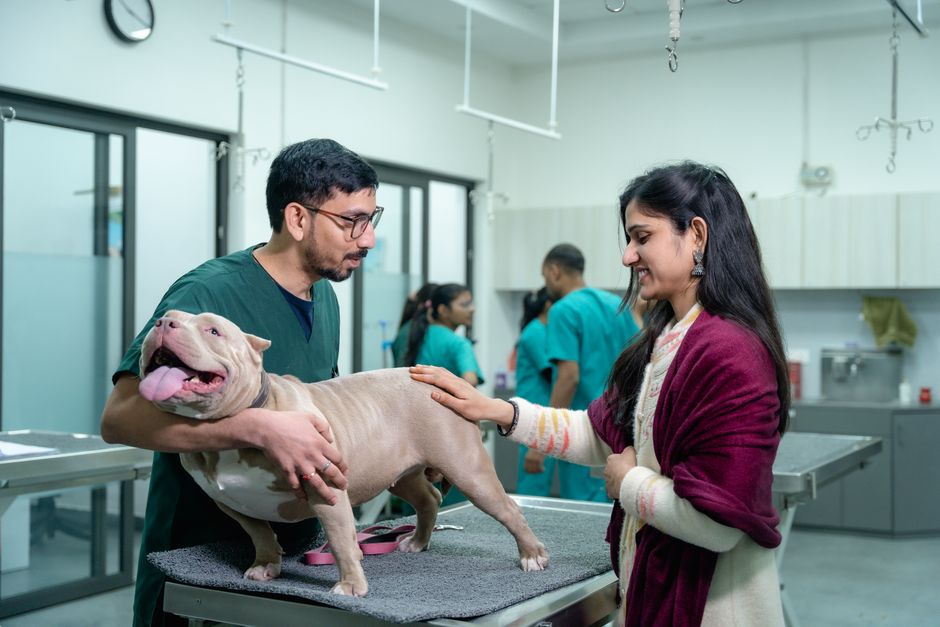
Routine veterinary checkups are especially important in winter. During a wellness care visit in Chatham, your veterinarian can assess your pet’s overall health, update any necessary vaccinations, and offer personalized nutrition advice to support a healthy immune system during the colder months. Pets with chronic pain, such as arthritis, might benefit from medication adjustments or alternative therapies to ease joint discomfort aggravated by cold weather.
If you have travel plans or long workdays, our boarding and day care services for pets in Chatham offer a safe, climate-controlled environment—ensuring your pet stays warm and cared for while you’re away.
Home Care and Prevention: Keeping Pets Comfortable in Chatham Winters
Providing a warm, safe environment at home is critical for winter pet safety. Keep beds and resting spots away from drafty doors or windows, and offer extra blankets for added coziness. For older pets or those with arthritis, heated pet beds can bring relief during cold nights, but always monitor for overheating or chewed cords.
Hydration remains important in winter, so ensure that water bowls are always filled with fresh, unfrozen water. Consider increasing grooming frequency; regular brushing removes dead hair and stimulates natural oils, which helps maintain a healthy, insulated coat. Avoid shaving your pet’s fur close to the skin during winter, as they need that extra barrier against the cold.
Monitor your pet’s weight and activity level, as some pets may require dietary adjustments to maintain a healthy body condition during the less active winter months. If you notice changes in appetite, mobility, or energy, these could be signs of health issues that warrant a veterinary visit.
To minimize risks from toxic substances, keep antifreeze and de-icing chemicals out of reach, and watch for any signs your pet may have ingested something harmful. Promptly clean up any spills and ensure that pets do not drink from puddles or snowbanks where chemicals may have collected.
When to Seek Veterinary Care: Recognizing Emergencies and Next Steps
Some winter hazards require immediate attention from your veterinary professionals. If your pet displays persistent shivering, lethargy, difficulty walking, or signs of frostbite such as pale or grayish skin, seek veterinary care promptly. Difficulty breathing, unresponsiveness, or collapse are medical emergencies that require urgent intervention.
Pets with chronic health conditions such as heart disease, diabetes, or severe arthritis may need more frequent monitoring during winter. If you notice worsening symptoms or new signs of discomfort, schedule an appointment with our veterinary team for a comprehensive evaluation.
For general wellness, preventive care, and ongoing advice about cold weather pet care in Chatham, Symbios Animal Health is here to support you. Regular visits allow us to catch potential problems early and tailor your pet’s care to their individual needs. If you have questions about vaccinations, diet, or specific health concerns, our wellness care for pets in Chatham is designed to keep your companion healthy year-round.
Keeping Your Pet Safe This Winter: Trust Symbios Animal Health in Chatham
As the temperatures dip in Chatham and winter brings its share of challenges, your pet’s comfort and safety become more important than ever. By recognizing the signs of cold stress, adjusting routines, and staying proactive with preventive care, you can enjoy the season together while minimizing health risks. Our veterinary professionals are committed to providing compassionate, individualized cold weather pet care in Chatham and surrounding communities.
If you have concerns about your pet’s winter wellbeing, or if you’d like personalized winter pet safety tips, we encourage you to schedule an appointment with our veterinary team. As your trusted "vet near me," we’re here to support every aspect of your pet’s health—from routine checkups to advanced care.
Contact Symbios Animal Health at (973) 834-9008 or visit us at 588 Main Street, Chatham, NJ 07928 to learn more about our comprehensive wellness care for pets in Chatham and discover why so many families trust our veterinary services in Chatham for their beloved companions.
This blog post is intended for informational purposes only and should not be considered a substitute for professional veterinary advice. If you have concerns about your pet’s health, please schedule an appointment with your veterinarian.