Cold Weather Pet Safety Tips for Chatham Residents


Cold Weather Pet Safety Tips for Chatham Residents
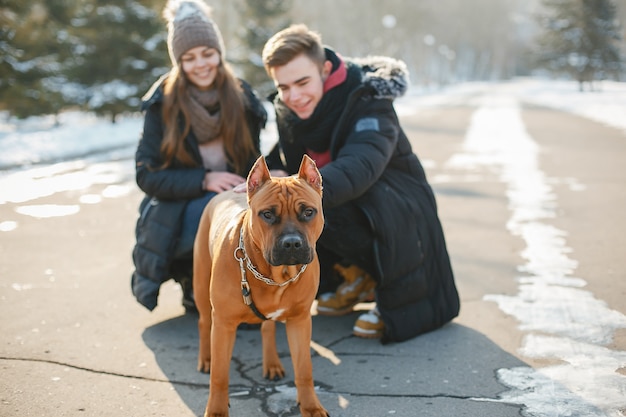
As the winter chill settles over Chatham and the surrounding communities, pet owners naturally begin to worry about how the cold, snowy conditions might affect their furry companions. Your dog's enthusiasm for a brisk walk or your cat's curiosity about the outdoors does not always mix well with freezing temperatures, icy sidewalks, or snow-covered yards. At Symbios Animal Health, located at 588 Main Street, Chatham, NJ 07928, our team of veterinarians is committed to helping you keep your pets safe and comfortable all season long. Whether you're a seasoned pet parent or bringing home your first puppy or kitten, simple steps can prevent winter hazards, and our concierge-style care ensures your pet’s health and happiness are never left out in the cold. In this guide, we’ll explore the signs of cold-related problems, common winter dangers, practical prevention strategies, when to seek veterinary help, and how our comprehensive services support your pet's wellness during Chatham's coldest months.
Recognizing Cold Weather Risks: How Winter Affects Dogs and Cats
While some pets seem to embrace winter, cold weather can be challenging for both dogs and cats. Recognizing when your pet is feeling the effects of chilly temperatures is the first step in providing effective protection. Signs that your pet is uncomfortable or at risk in the cold include shivering, reluctance to go outside, seeking shelter or warmth more than usual, and even limping after time outdoors due to icy or salted surfaces. Additional warning signs to watch for are dry or cracked paw pads, pale gums, a sudden drop in energy, and persistent whining or vocalization. For cats, hiding in unusual places or refusing to leave a warm spot can also hint at cold stress.
Puppies, kittens, senior pets, and those with thin coats or certain health conditions are especially vulnerable. If you notice any of these symptoms, it is important to respond quickly, as prolonged exposure to cold can lead to hypothermia or frostbite, both of which require prompt veterinary attention.
Why Do Pets Struggle in Winter? Understanding the Risks
Just like humans, pets are susceptible to the challenges of cold weather. The primary risks during winter stem from exposure to low temperatures, which can make it difficult for animals to maintain their normal body heat. For dogs and cats, the combination of cold air, wind chill, and dampness from snow or sleet can lead to rapid heat loss. Short-haired and small breed dogs, as well as most cats, struggle to retain warmth and may not have the natural insulation needed to stay comfortable outside for long.
Other contributing factors include the use of de-icing salts on sidewalks, which can irritate and damage paw pads, ingestion of antifreeze or other toxic substances, and the risk of slipping on icy surfaces. Indoor hazards such as space heaters, fireplaces, and holiday decorations also pose safety concerns during winter months. The shorter daylight hours can mean fewer opportunities for exercise, which may lead to changes in behavior or weight gain. Additionally, pets with chronic illnesses such as arthritis may experience increased discomfort as cold weather aggravates joint pain.
Keeping Your Pet Safe: Winter Care Strategies Every Pet Owner Should Know
Proactive management is the key to ensuring your pet enjoys winter as much as you do. At Symbios Animal Health, our veterinary professionals recommend several strategies to keep pets healthy and happy throughout the season. First, limit outdoor time during extremely cold or windy days, and always supervise your pet when outside. Outfit dogs that have short coats or are particularly sensitive to the cold with appropriate winter gear such as fitted jackets or sweaters. Pay close attention to your pet's paws by wiping them after each walk to remove ice, salt, and chemicals, and consider using pet-safe balms to prevent dryness and cracking.
Providing a warm, draft-free sleeping area indoors is essential for both dogs and cats. Ensure bedding is clean, dry, and away from doors or windows that may let in cold air. Maintain regular exercise routines by engaging in indoor play when the weather is particularly harsh. For pets with chronic health issues, speak with your veterinarian about adjusting medications or supplements to address increased joint stiffness or discomfort during winter.
Routine wellness care is especially important during colder months. Scheduling a wellness examination allows our veterinary team to assess your pet’s overall health, discuss dietary adjustments for seasonal changes, and ensure vaccinations are up to date. We also recommend regular pet dental cleanings, as cold, dry air can affect oral health and exacerbate existing dental issues.
Home Care Tips: Simple Steps to Prevent Winter Hazards
You can take many practical steps at home to support your pet’s safety and wellbeing. Ensure that water bowls remain unfrozen and accessible at all times, as hydration is crucial even in winter. When returning from walks, dry your pet thoroughly, paying special attention to their paws, belly, and any areas where snow or ice can accumulate. Check your home for drafts or cold spots, and make sure your pet cannot access areas with potential hazards, such as fireplaces, space heaters, or garages where antifreeze may be present.
Consider using booties for dogs that tolerate them, which can provide extra protection from salt and ice. For outdoor cats or pets with access to garages, always check under your car and around the tires before starting the engine, as animals may seek warmth in these locations. Maintain your pet’s regular feeding schedule, but consult your veterinarian if you have concerns about weight gain or loss due to seasonal changes in activity.
When to Seek Veterinary Care: Recognizing Emergencies and Preventive Needs
There are times when home care is not enough, and immediate veterinary attention is essential. Warning signs that require a call to your veterinarian include persistent shivering, weakness, lethargy, disorientation, difficulty breathing, skin discoloration (especially on the ears, tail, or paws), or any indication that your pet has ingested a toxic substance such as antifreeze or de-icing products.
Hypothermia and frostbite are serious medical emergencies. Key symptoms of hypothermia include a body temperature below 100°F, muscle stiffness, shallow breathing, and loss of consciousness. Frostbite may present as pale, hard skin that turns red or black as tissue is damaged. If you observe these signs, bring your pet indoors immediately, wrap them in warm blankets, and contact our veterinary professionals right away.
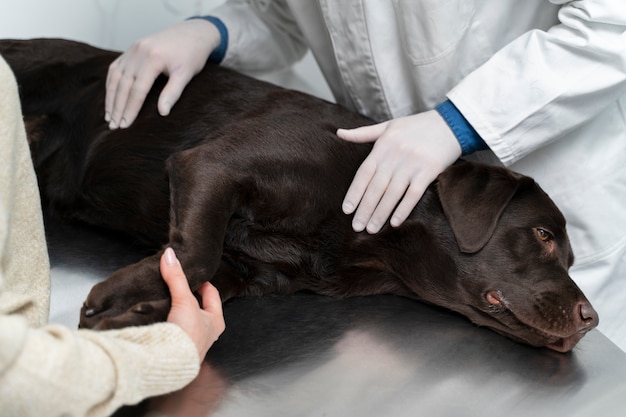
In less urgent situations, such as limping, persistent paw irritation, or changes in appetite or behavior, scheduling an appointment for a veterinary evaluation is the best way to ensure your pet’s ongoing health. Our team at Symbios Animal Health provides a full range of services, including emergency veterinary care, wellness examinations, and seasonal advice tailored to your pet's unique needs.
How Symbios Animal Health Supports Your Pet’s Winter Wellness
Symbios Animal Health is dedicated to providing the highest level of veterinary care in Chatham and surrounding communities, with a focus on preventive health and personalized service. Our signature memberships make it easy to manage your pet’s wellness year-round, including during the unpredictable winter months. From routine check-ups and pet dental cleanings to urgent care and behavioral consultations, our comprehensive services ensure your pet receives the attention they deserve.
Conveniently located at 588 Main Street, Chatham, NJ 07928, our clinic is designed to meet all your pet’s needs in one place. Our concierge-style approach means you can always reach out for guidance, whether you need advice on home care, help managing a chronic condition, or reassurance about a winter hazard. We also offer house calls for added peace of mind if your pet is more comfortable in familiar surroundings.
Stay Safe This Winter: Your Partner for Local Veterinary Care
Winter in Chatham brings unique challenges, but with a proactive approach and the support of our compassionate veterinary team, your pets can enjoy the season safely. Remember to watch for early signs of cold stress, create a warm and welcoming home environment, and seek professional care promptly if you notice any concerning symptoms. For tailored advice or to schedule a wellness visit, call Symbios Animal Health at (973) 834-9008 or visit us at 588 Main Street, Chatham, NJ 07928. When searching for a veterinarian near me, trust that our veterinary professionals are here to keep your furry family members healthy and happy throughout the winter and beyond.
If you have questions about winter pet safety, want to discuss preventive care options, or need to book an appointment, reach out today. Your pet’s comfort and wellbeing are always our top priority at Symbios Animal Health.
This blog is intended for informational purposes only and does not replace the professional advice of a veterinarian. If your pet is experiencing an emergency or you have specific health concerns, please contact our clinic or seek immediate veterinary attention.