May Wellness Checklist for Chickens, Goats, and Cattle in Chatham

May Wellness Checklist for Chickens, Goats, and Cattle in Chatham
Spring in Chatham brings green pastures, longer days, and a busy time for anyone caring for backyard chickens, small herds of goats, or a handful of cattle. As temperatures rise and new grass emerges, producers want to ensure their animals remain healthy, productive, and comfortable through the seasonal transition. At Symbios Animal Health, located at 588 Main Street, Chatham, NJ 07928, our veterinary team understands the nuances of mixed animal care in this region. Whether your operation includes a few laying hens, a couple of dairy goats, or a small group of beef cattle, proactive wellness steps in May set the stage for a successful year ahead.
In this guide, we’ll walk you through essential May wellness checks for chickens, goats, and cattle. You’ll learn how to spot early signs of health concerns, what seasonal factors to watch for, and how to manage common issues as the weather shifts. Throughout, we’ll highlight how the concierge-style veterinary care at Symbios can support your livestock with ongoing preventive services and prompt attention when issues arise. If you’re seeking comprehensive, accessible animal health solutions for your backyard or hobby farm, you’ll find actionable insights and local expertise right here.
Recognizing Wellness Concerns in Backyard Livestock
Understanding animal behavior and appearance is key to catching health issues before they become serious. Owners and producers often notice subtle shifts in their flock or herd before clear symptoms appear. For chickens, warning signs to watch for in May include a sudden drop in egg production, pale combs and wattles, mild coughing or sneezing, and listlessness around the coop. Goats may show early signs of trouble such as reduced appetite, soft stools, abnormal vocalization, reluctance to graze, or changes in body condition. Cattle may start to display lameness, nasal discharge, decreased feed intake, or lagging behind the group as new grass comes in.
It’s also important to observe any changes in group dynamics, such as bullying or isolation, and to check for external parasites, especially as warm weather brings an uptick in flies, lice, and ticks. Noticing these early indicators allows you to seek veterinary guidance before problems escalate, minimizing disruption to your operation and supporting animal welfare.
Why May Brings Unique Health Challenges in Chatham
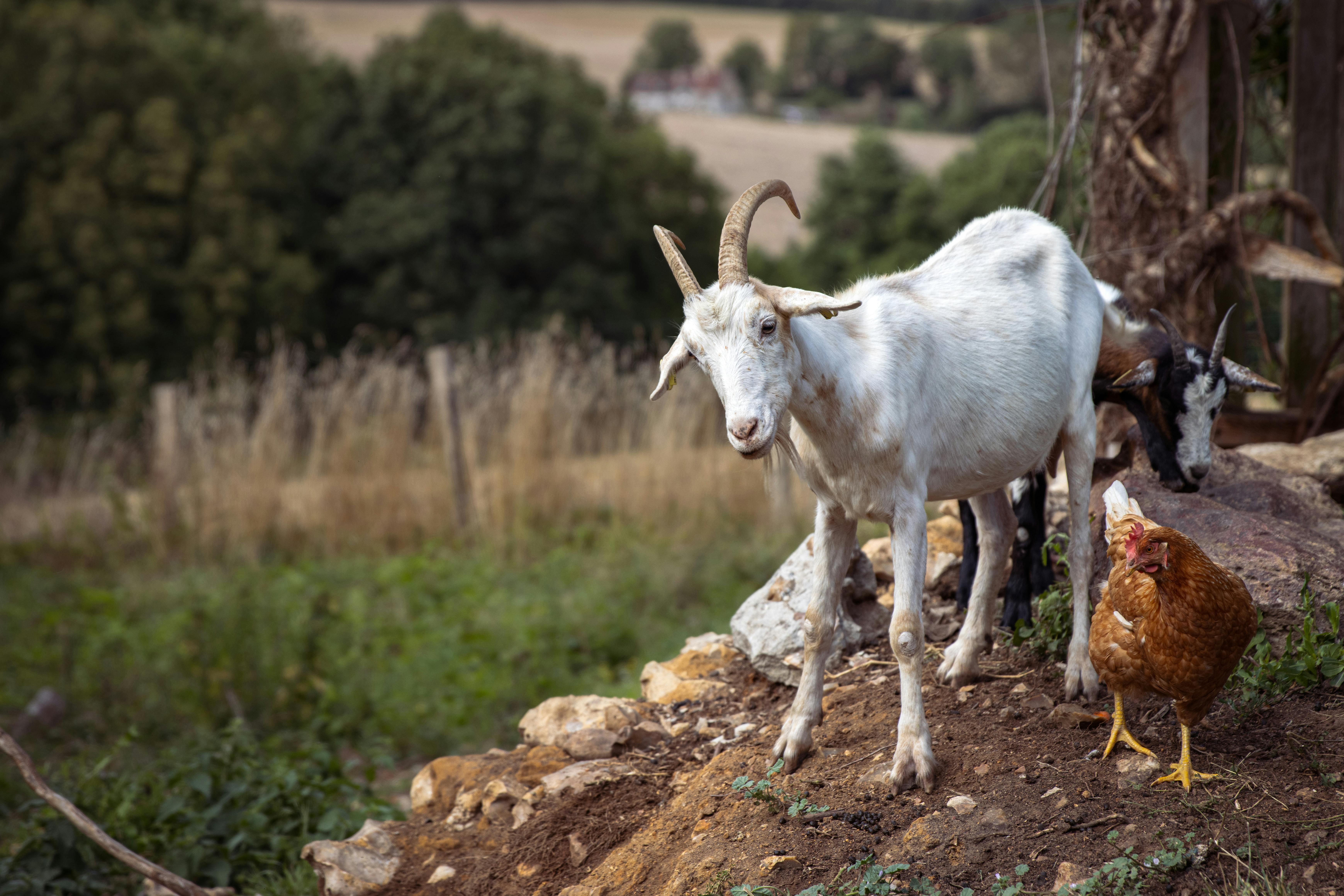
May marks a period of rapid change for livestock and poultry in Chatham and the surrounding region. As pasture grasses grow quickly and temperatures fluctuate, animals face several health risks that are unique to late spring. Chickens are often exposed to increased parasite pressure; wet conditions can foster coccidiosis or external mites, and dust bathing areas may become soggy or unavailable. For goats, lush green pastures can trigger digestive upset, such as bloat or diarrhea, especially if the transition from winter hay to new forage is abrupt. Goats are also at higher risk for internal parasites like barber pole worm (Haemonchus contortus) with the onset of warm, humid weather.
Cattle producers must be vigilant for grass tetany, a magnesium deficiency that can occur when cows graze rapidly growing pasture. Additionally, fly populations climb as temperatures rise, increasing the risk of pinkeye and fly-borne diseases in cattle and goats. May is also a prime time for calving and kidding in some herds, so monitoring newborns for signs of weakness, scours, or difficulty nursing is critical.
Veterinary Management: What to Expect from Professional Care
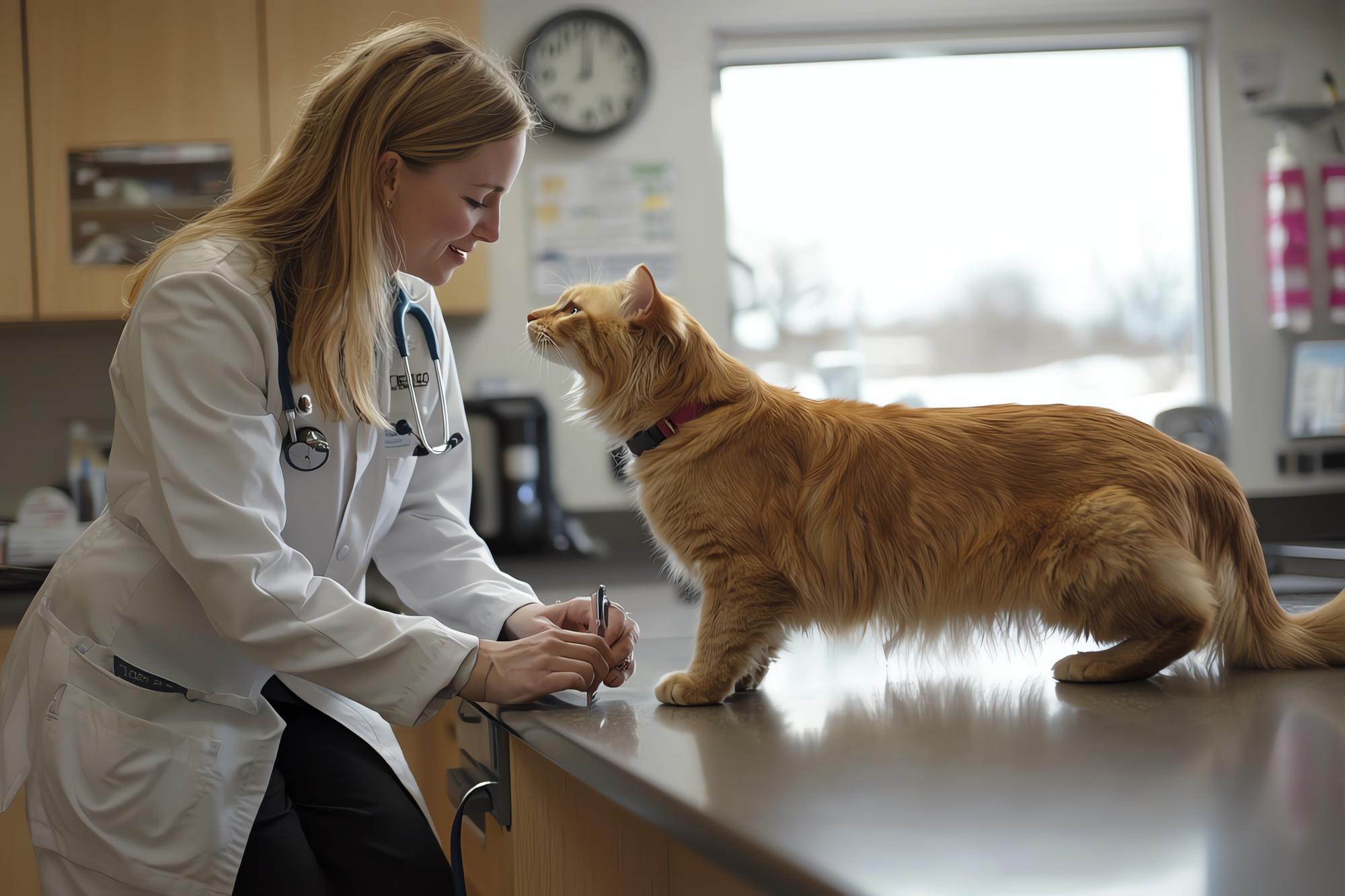
At Symbios Animal Health, our veterinary professionals offer tailored wellness programs and prompt support for the unique needs of mixed animal operations. During a spring wellness visit, our veterinarians typically evaluate body condition scores, inspect skin and coats for parasites, and check for respiratory or digestive issues in each species. For chickens, a routine exam may involve looking for external parasites, assessing feathering, and discussing vaccination schedules for diseases like Newcastle and Marek’s. In goats, our team frequently tests for internal parasites using fecal egg counts, reviews nutritional plans, and examines hooves for signs of rot or overgrowth.
Cattle exams in May often include checking mineral supplementation, reviewing vaccination records for clostridial diseases and respiratory pathogens, and discussing fly and parasite control strategies tailored to your pasture conditions. Our concierge-style membership model ensures that producers have year-round access to veterinary advice, priority scheduling, and transparent, predictable costs for ongoing care.
If urgent issues arise—such as sudden illness, unexplained deaths, or outbreaks of scours in young stock—our team is equipped to provide emergency care or rapid diagnostics to safeguard your operation. For more information on our comprehensive approach to preventive care, visit our page on wellness care for all species.
Preventive Actions for a Healthy May: Practical Steps for Producers
Staying ahead of seasonal health challenges involves a mix of good husbandry and timely veterinary support. For chickens, maintaining a clean, dry coop is essential; fresh bedding, regular cleaning, and ensuring adequate ventilation help limit respiratory issues and external parasites. Provide dust bathing areas to support natural parasite control, and monitor egg production and shell quality as indicators of overall health.
Goat keepers should introduce animals to spring pasture gradually, allowing rumens to adjust to richer forage. Rotate pastures to reduce parasite buildup and check FAMACHA scores regularly to monitor for anemia caused by internal worms. Hoof trimming, shelter maintenance, and providing mineral blocks support robust health as the season changes.
For cattle, offer free-choice mineral supplements with magnesium to prevent grass tetany, and monitor grazing patterns to avoid overgrazing or sudden dietary shifts. Implement a fly control program, such as using fly tags or mineral feeders with insecticide, and keep handling facilities in good repair for any needed interventions. Watching calves or kids closely for scours or lethargy can make a critical difference in survival rates.
Engaging with a veterinary team for routine herd checks and vaccinations helps identify and address issues early, saving time and resources in the long run. Symbios Animal Health’s signature memberships provide producers with peace of mind, knowing that professional guidance and preventive services are always within reach.
When to Contact Your Veterinarian
Despite best efforts, some situations require prompt veterinary attention. Producers should call their veterinarian if they notice persistent diarrhea, rapid weight loss, unexplained deaths, or sudden drops in production among any species. In poultry, outbreaks of respiratory disease or sudden mortality in the flock warrant immediate investigation. Goats or cattle showing signs of severe lameness, neurological symptoms, or unresponsive bloat should be evaluated as soon as possible. Newborns that fail to thrive, exhibit scouring, or cannot nurse also need timely intervention.
Our veterinary team at Symbios is equipped to respond to both routine and urgent health concerns for chickens, goats, and cattle. Scheduling an appointment ensures your animals receive the individualized attention they need, while our concierge approach means help is always just a call away.
If you’re ever unsure whether a situation requires professional care, it’s always better to reach out. You can learn more about our emergency veterinary care services for rapid response when urgent medical conditions arise.
Year-Round Livestock Wellness with Symbios Animal Health
Maintaining healthy chickens, goats, and cattle in Chatham involves both attentive daily management and access to trusted veterinary support. By staying proactive each spring—monitoring for early signs of illness, managing parasite risks, and keeping up with vaccinations—you protect the wellbeing of your flock or herd and the productivity of your operation. Symbios Animal Health’s unique concierge membership model makes it easy to plan routine herd health checks, address seasonal concerns, and get prompt help when needed.
If you’re searching for a veterinarian near me who understands the needs of backyard livestock and small herds, our veterinary team is ready to help. To discuss a tailored wellness plan for your chickens, goats, or cattle, or to schedule your spring herd health check, contact Symbios Animal Health at (973) 834-9008 or visit us in person at 588 Main Street, Chatham, NJ 07928. Our commitment is to provide comprehensive, compassionate care for every animal in your operation—season after season.
For more local information about our services for mixed animal operations, you can also visit Symbios Animal Health Chatham. We look forward to supporting your livestock wellness goals throughout the year.