Recognizing and Preventing Pet Heat Exhaustion in Chatham

Recognizing and Preventing Pet Heat Exhaustion in Chatham
As the warm, humid days of June arrive in Chatham, NJ, keeping your dog or cat safe from heat exhaustion becomes a top priority for every pet owner. Whether you’re enjoying a stroll through local parks or letting your pet bask in the backyard sun, summer heat can pose serious health risks for our furry companions. At Symbios Animal Health, we understand how much you want to protect your pet’s wellbeing during these hot months. Our team of veterinarians at 588 Main Street, Chatham, NJ 07928 is here to guide you in recognizing the early signs of heat exhaustion, understanding what causes it, and learning how to prevent this potentially life-threatening condition. This blog will walk you through everything you need to know to keep your pet safe, comfortable, and healthy all summer long. If you ever have questions or concerns about your pet’s health during the warmer months, our wellness care services are just a call away.
Spotting the Signs: How to Recognize Heat Exhaustion in Pets
Heat exhaustion in pets can develop quickly, especially on humid New Jersey days when temperatures rise above your pet’s comfort level. Recognizing the early warning signs is crucial for timely intervention and can make all the difference in your pet’s recovery.
Common Symptoms of Heat Exhaustion
Key symptoms include excessive panting, drooling more than usual, and a rapid heart rate. Some pets may appear lethargic, weak, or unsteady on their feet. Vomiting or diarrhea can also occur, and in severe cases, a pet may collapse or have seizures. Cats might seek out cool, hidden spots and become less responsive, while dogs may refuse to play, walk, or eat. Pet owners should be particularly vigilant if their dog or cat is brachycephalic (short-nosed breeds such as Bulldogs, Pugs, or Persians), elderly, very young, or has a pre-existing health condition, as these pets are at higher risk.
Behavioral Changes to Watch For
Other signs to watch for are unusual restlessness, frequent attempts to find water, or persistent scratching at doors to escape the heat. If your pet seems confused, stares blankly, or does not respond to their name, these may indicate that heat exhaustion is progressing. Early recognition of these changes allows for immediate care and helps prevent more serious complications.
Understanding Why Heat Exhaustion Happens
Heat exhaustion in pets primarily occurs when their bodies can no longer regulate internal temperature efficiently. Dogs and cats do not sweat through their skin as humans do; instead, they rely on panting and limited sweat glands in their paw pads to cool themselves. When the temperature and humidity in places like Chatham soar, these cooling methods can quickly become ineffective.
Risk Factors in Chatham’s Summer Climate
Chatham’s summer weather is often accompanied by high humidity, making it harder for your pet to cool off by panting alone. Asphalt, sand, and even grassy areas can retain heat and increase your pet’s exposure to dangerously high temperatures. Pets left in parked cars, even for a brief period, face a dramatically higher risk of heat exhaustion. Similarly, long walks during midday, vigorous outdoor play, or inadequate shade and water can all contribute to overheating.
Pets at Higher Risk
Certain breeds, such as Bulldogs, Boston Terriers, and Persian cats, are particularly susceptible due to their facial structure. Overweight pets, seniors, and those with heart or respiratory issues are also more vulnerable to the effects of heat. Understanding your pet’s specific risk factors helps you make informed choices about their outdoor activities during the summer months.
Professional Treatment Options for Heat Exhaustion
If you suspect your pet is suffering from heat exhaustion, prompt veterinary care is essential. At Symbios Animal Health, our veterinary team is prepared to provide immediate support and advanced treatment to help your pet recover safely.
What to Expect During a Veterinary Visit
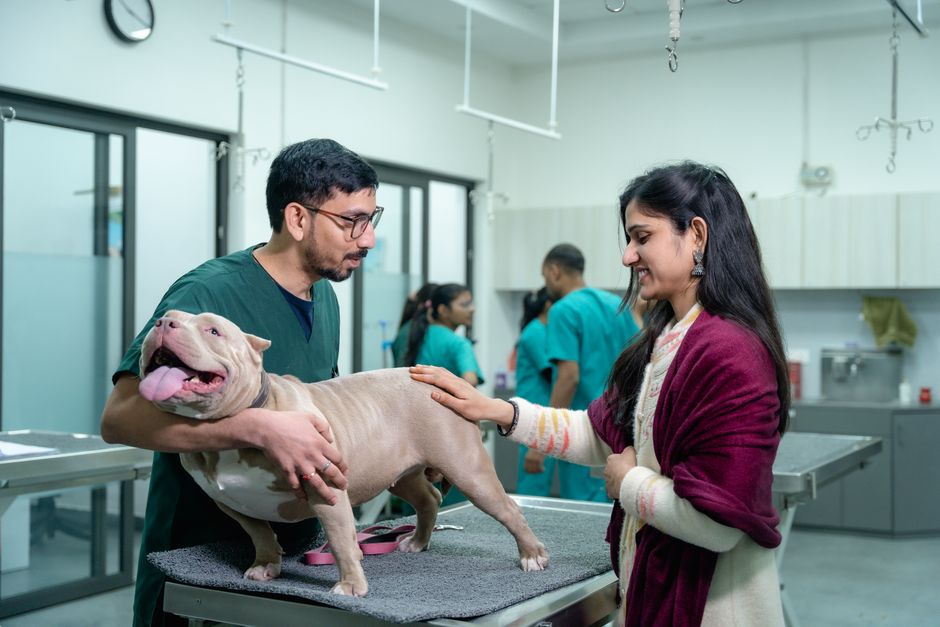
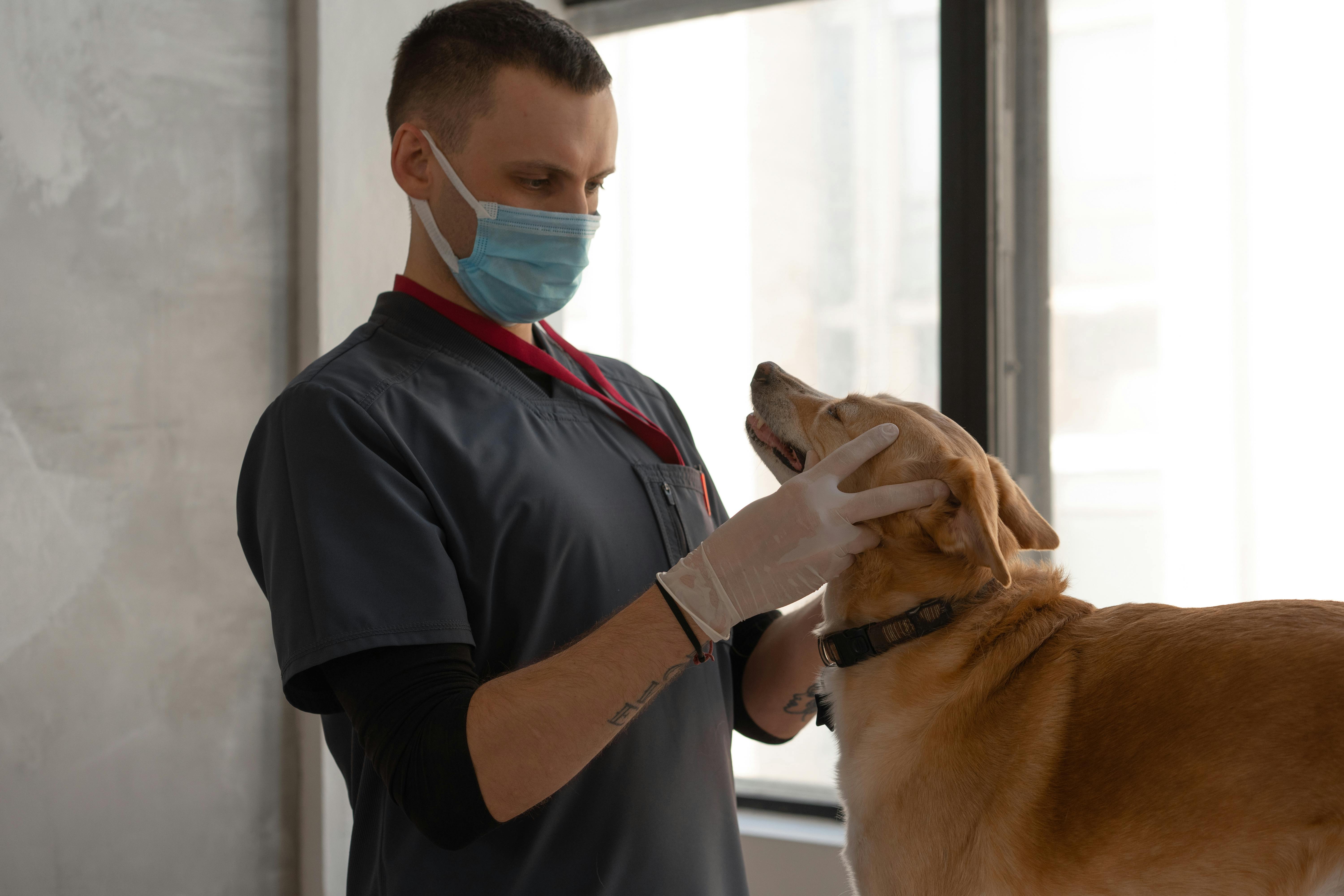
When you bring your pet to our Chatham clinic, our veterinarians will begin by assessing your pet’s temperature, hydration status, and overall condition. Treatment approaches involve cooling your pet gradually, often using cool (not cold) water and fans to lower body temperature. Intravenous fluids may be administered to treat dehydration, and oxygen therapy or medications could be necessary in severe cases. Your pet will be closely monitored for organ function and potential complications.
Follow-Up and Support
After initial treatment, your pet may need ongoing observation or additional supportive care. Our wellness care services include follow-up visits to ensure your pet is recovering fully and to check for any delayed effects of heat stress. Our veterinary professionals will also work with you to develop a personalized prevention plan for future warm-weather outings.
Prevention: Keeping Your Pet Cool and Comfortable at Home
Prevention is always the best medicine when it comes to heat exhaustion. There are several practical steps you can take at home to protect your pet during the hot summer months in Chatham and neighboring communities.
Smart Scheduling of Outdoor Activities
Choose to walk your dog or let your cat explore outdoors during the early morning or late evening hours when temperatures are cooler. Avoid strenuous exercise and play sessions during the hottest part of the day, typically between 10 a.m. and 4 p.m. If you must be outside, keep activities brief and provide frequent rest breaks in shaded, well-ventilated areas.
Hydration and Shade
Always ensure your pet has access to fresh, cool water, both indoors and outdoors. Place multiple water bowls in easy-to-reach locations and refill them regularly throughout the day. Shade is vital—if your yard lacks natural shade, consider using umbrellas, canopies, or pet tents.
Home Cooling Strategies
Keep your home as cool as possible by using fans, air conditioning, or open windows to promote airflow. Cooling mats or damp towels can offer additional relief for pets who enjoy lying on cool surfaces. Some cats and dogs appreciate ice cubes in their water bowls or frozen pet-safe treats as a refreshing way to beat the heat.
Travel and Car Safety
Never leave your pet unattended in a parked car, even for a minute. Interior temperatures can rise dangerously high within moments, creating a life-threatening environment. When traveling, ensure your pet is transported in a well-ventilated carrier and offer water frequently.
Grooming Considerations
Regular grooming can help your pet’s coat work as a natural insulator, keeping them cool in summer and warm in winter. Consult your veterinarian before shaving or trimming your pet’s fur, as some breeds rely on their coat for protection against sunburn and heat.
When to Seek Veterinary Care for Heat Exhaustion
Knowing when to act quickly can save your pet’s life. If your dog or cat exhibits signs such as excessive panting, drooling, weakness, vomiting, or collapse, immediate veterinary attention is crucial. Do not attempt to rapidly cool your pet with ice water or ice packs, as this can cause dangerous shock. Instead, move your pet to a cooler area, offer water if they are alert, and contact your veterinarian right away.
At Symbios Animal Health, our team of veterinarians is equipped to handle urgent cases of heat exhaustion with comprehensive care. If you are unsure whether your pet’s symptoms require an immediate visit, it is always better to err on the side of caution and call for advice. Our clinic offers emergency veterinary care for pets in Chatham and surrounding areas, ensuring that help is available when you need it most.
Supporting Pet Owners Throughout Chatham’s Summer
As summer temperatures rise in Chatham, NJ, pet owners can count on Symbios Animal Health for trusted guidance and compassionate care. By recognizing the early signs of heat exhaustion, understanding the risks, and taking proactive steps to protect your pet, you can enjoy all the joys of summer together safely.
If you have questions about your pet’s risk factors or want to schedule a seasonal checkup, our team is here to help. Reach out to us at (973) 834-9008 to discuss your concerns or book a wellness visit. For those searching for a "vet near me" who understands the unique needs of local pets, our wellness care services and emergency veterinary care are always available.
Your pet’s comfort and safety are our top priorities at Symbios Animal Health. Let our veterinary professionals partner with you to keep your dog or cat healthy and happy throughout the warmest months of the year. For directions, visit us at 588 Main Street, Chatham, NJ 07928, or explore more about our services online at symbios.vet.