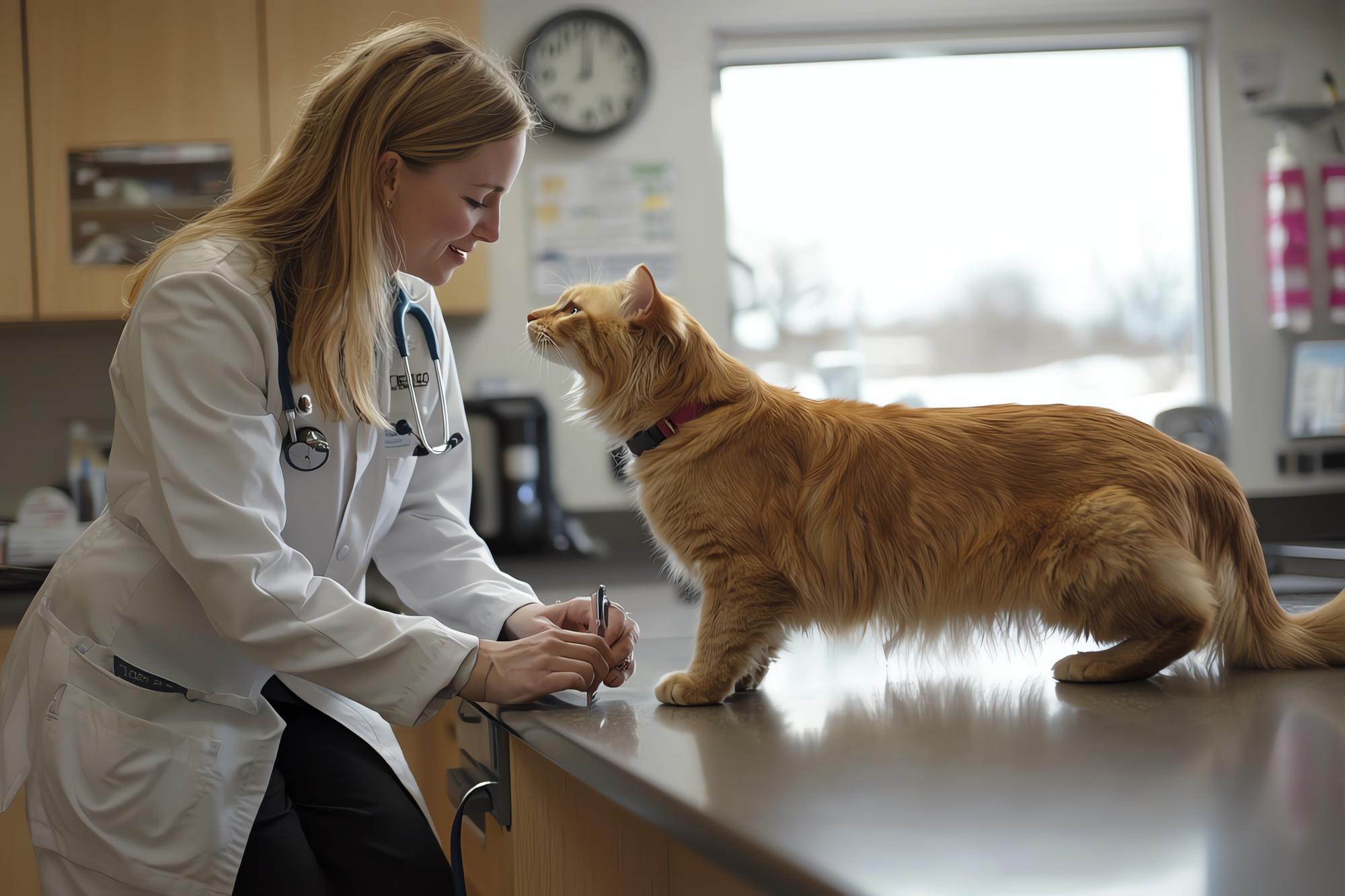
Spring Safety Tips for Pets in Chatham: April Essentials


Spring Safety Tips for Pets in Chatham: April Essentials
As spring returns to Chatham and the surrounding communities, many pet owners look forward to longer walks, playful afternoons at the park, and more time outdoors with their four-legged friends. However, April’s chilly breezes and unpredictable weather can bring new risks for curious pets. From slippery sidewalks and lingering ice to seasonal toxins and busy wildlife, spring in New Jersey presents several hazards that every pet owner should consider. At Symbios Animal Health, located conveniently at 588 Main Street, Chatham, NJ 07928, our team of veterinarians is dedicated to helping your pet enjoy the season safely. In this guide, we will explore the most common springtime dangers, discuss how to recognize early warning signs, and share practical tips to keep your pet healthy and protected. Plus, discover how our concierge-style veterinary care and signature memberships make it easier than ever to manage your pet’s wellbeing all year long.
Recognizing Springtime Risks for Your Pet
As temperatures fluctuate in April, pets often become more active and adventurous, which can increase their exposure to seasonal hazards. Recognizing potential problems early is the first step in protecting your companion.
Common signs that your pet may be in trouble during spring include sudden limping or reluctance to walk after outdoor play, which may signal a slip on icy patches or an injury from uneven terrain. Pets exposed to fertilizers or de-icing chemicals might show symptoms such as excessive drooling, vomiting, or paw licking. Encountering ticks or fleas can lead to scratching, hair loss, or skin irritation, while contact with certain spring plants may cause gastrointestinal upset, drooling, or even lethargy. Additionally, respiratory issues such as sneezing or watery eyes can be triggered by seasonal allergies or molds, which are common as the ground thaws and flowers begin to bloom.
If your pet seems unusually tired, disoriented, or experiences difficulty breathing after time outside, these may be signs of a more serious reaction that requires prompt veterinary attention.
Why Do Pet Hazards Increase in Spring?
Spring in Chatham is marked by a mix of snowmelt, rain, and fluctuating temperatures that create ideal conditions for certain risks. As lawns and gardens are prepared for the growing season, pets may encounter leftover de-icing salts, fresh fertilizers, or herbicides, which can be harmful if ingested or absorbed through their paws. Puddles and standing water are more common and can harbor bacteria or parasites that cause illness.
Wildlife activity also picks up as temperatures rise, leading to more frequent encounters with ticks, fleas, and even local animals like skunks or raccoons. Some pets are tempted to eat emerging plants, many of which—such as lilies, tulips, and daffodils—can be toxic to cats and dogs. Mold spores, pollen, and dust are stirred up as the ground warms, increasing the chances of seasonal allergies or asthma-like symptoms.
Busy spring schedules and unpredictable weather can also lead to more time spent indoors, which might cause anxiety or boredom in pets used to regular exercise, resulting in destructive behaviors or stress-related symptoms.
How Symbios Animal Health Treats and Manages Common Spring Hazards
At Symbios Animal Health, our veterinary professionals are committed to supporting your pet’s health through every season. If you notice signs of injury, poisoning, or allergy in your pet, our team can perform a thorough physical examination and recommend diagnostics such as bloodwork, urinalysis, or skin testing to identify the underlying cause. Treatment for injuries may involve rest, pain management, or surgical intervention in more severe cases. For chemical exposure or plant toxicity, prompt decontamination, supportive care, and monitoring are essential; in some cases, hospitalization may be required.
When parasites like ticks or fleas are detected, we offer a range of safe and effective preventives, as well as treatment plans tailored to your pet’s needs. For pets struggling with seasonal allergies, management strategies may include antihistamines, prescription diets, or specialized shampoos. Our wellness care services are designed to catch problems early through routine checkups, helping you stay ahead of spring hazards.
Additionally, vaccination may be recommended to protect against diseases that become more prevalent as pets spend more time outdoors. If you are interested in safeguarding your pet from heartworm—an increased risk during the warmer months—our heartworm testing services can help ensure your companion stays protected.
Spring Safety Starts at Home: Prevention and Care
There are several practical steps you can take to reduce your pet’s risk during the unpredictable April weather in Chatham. Wiping your pet’s paws after each walk helps remove lingering de-icing salts, mud, or lawn chemicals. Keeping pets away from newly fertilized lawns and unfamiliar plants can prevent accidental poisonings. Always supervise outdoor play, especially near puddles or standing water, to reduce exposure to bacteria and parasites.
Checking your pet’s fur and skin for ticks after time outside is an important habit, particularly if you visit wooded areas or tall grass. Regular brushing and grooming can help spot skin issues early. Washing bedding and vacuuming frequently may also decrease the risk of flea infestations. For pets with known allergies, reducing outdoor exposure during high pollen count days and keeping windows closed can make a noticeable difference.
Maintaining a regular schedule of wellness visits ensures your pet’s health is closely monitored. Our wellness care services include preventive screenings, personalized advice, and guidance on nutrition and activity, all delivered through our concierge-style model. If your pet needs to be boarded or requires supervision while you are away, our boarding and day care services provide a safe, comfortable environment with veterinary oversight.
When to Call Your Veterinarian
It can be difficult to determine when your pet’s symptoms require immediate attention. If your pet experiences sudden lameness, persistent vomiting, diarrhea, or signs of poisoning such as tremors, difficulty breathing, or collapse, contact your veterinarian right away. Other red flags include swelling of the face or paws, severe itching that does not resolve, or wounds from wildlife encounters.
For less urgent concerns—such as mild allergy symptoms, minor limping, or questions about preventive care—it is best to schedule an appointment with your veterinary team. Our team at Symbios Animal Health is always happy to guide you through next steps and help you decide if your pet needs to be seen promptly.
If you are ever unsure whether your pet’s condition is an emergency, our veterinarians can provide advice and support; timely intervention can make a critical difference in your pet’s recovery.
Keeping Your Pet Safe This Spring: Trust Symbios Animal Health
Spring in Chatham brings welcome warmth and excitement, but also new challenges for pet owners who want to keep their companions safe. By staying alert to seasonal risks, practicing prevention at home, and relying on the guidance of experienced veterinary professionals, you can ensure your pet enjoys every adventure the season has to offer. Our team is committed to supporting you throughout the year with personalized care, routine wellness visits, and rapid response to urgent concerns.
If you have questions about spring hazards, need to schedule a wellness examination, or want to learn more about our signature membership options, we invite you to contact our team. You can reach Symbios Animal Health at (973) 834-9008, visit us at 588 Main Street, Chatham, NJ 07928, or explore our comprehensive veterinary services online. When searching for a veterinarian near me who truly partners with you in your pet’s health, our team is here for you every step of the way. Let us help you make this spring a happy, healthy, and safe season for your pet.
This article is intended for informational purposes only and does not replace professional veterinary advice. If you have concerns about your pet’s health, please consult your veterinarian as soon as possible.