Top Winter Safety Tips for Indoor and Outdoor Pets

Top Winter Safety Tips for Indoor and Outdoor Pets
Winter in Chatham brings crisp air, picturesque landscapes, and a fresh set of challenges for both indoor and outdoor pets. Whether your companion spends most of their time curled up inside or enjoys exploring the snowy outdoors, cold temperatures and seasonal hazards can impact their health and happiness. At Symbios Animal Health, located at 588 Main Street, Chatham, NJ 07928, our veterinary team is dedicated to helping pet owners in Chatham and surrounding communities navigate winter safely. In this guide, we share essential winter pet safety tips tailored to the unique needs of both indoor and outdoor pets. You’ll learn how to recognize cold-weather dangers, keep your pet active and comfortable, and know when it’s time to reach out for professional help. If you’re searching for a quality vet near me or trusted wellness care in Chatham, our concierge-style practice is here for you season after season.
Recognizing Winter Risks: Signs Your Pet Needs Extra Protection
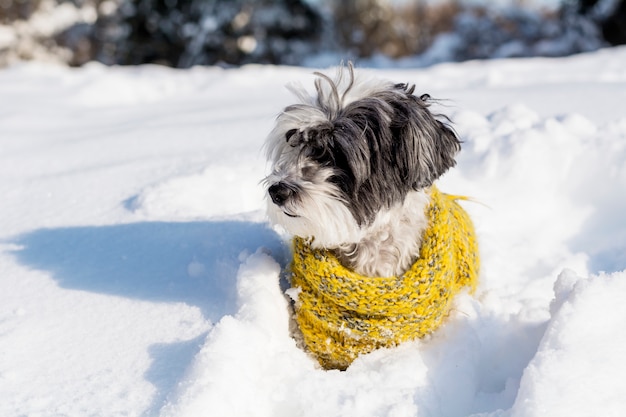
Winter can be a magical time for pets, but it’s important to recognize when the cold is more than just a minor discomfort. Dogs and cats, whether they primarily live indoors or venture out, can experience a range of cold-weather health issues. Symptoms that may indicate your pet is struggling with winter’s challenges include shivering, whining, reluctance to go outside, or seeking out warm hiding spots. Other warning signs are dry, cracked paw pads, excessive licking of feet, and changes in appetite or behavior.
For outdoor pets, additional risks include frostbite and hypothermia. Signs of frostbite may appear as pale or gray skin, especially on ears, tails, and paws. Hypothermia is a more serious condition where your pet’s body temperature drops too low; symptoms include weakness, lethargy, and shallow breathing. Even indoor animals can face winter hazards such as dry skin, exposure to space heaters, or accidental escapes into frigid weather. If you notice any of these problems, it’s important to address them promptly and consider a comprehensive wellness examination to ensure your pet’s continued health.
Why Winter Conditions Affect Pets: Causes and Contributing Factors
Understanding why pets are vulnerable in winter is the first step toward effective cold weather pet care. When temperatures drop, pets lose heat more quickly, especially if they have short coats, are young or elderly, or have underlying health conditions. Snow and ice can pack between toes, leading to discomfort and potentially damaging paw pads. Ice-melting salts used on sidewalks and driveways can be toxic if ingested and may cause irritation on contact with skin.
Indoor pets are not immune to seasonal changes. The dry, heated air inside homes can result in flaky skin and itchy coats. Indoor cats may experience stress or boredom from reduced daylight and less stimulation. For both cats and dogs, decreased activity levels in winter can contribute to weight gain or joint stiffness, particularly in senior pets.
In Chatham and surrounding communities, winter storms can also increase the risk of lost pets. Lower visibility, snowdrifts, and hidden scents may confuse animals and make it harder for them to find their way home. Regular wellness care in Chatham can help you stay ahead of these issues by identifying risk factors unique to your pet’s age, breed, and lifestyle.
Keeping Pets Safe: Treatment and Proactive Winter Management
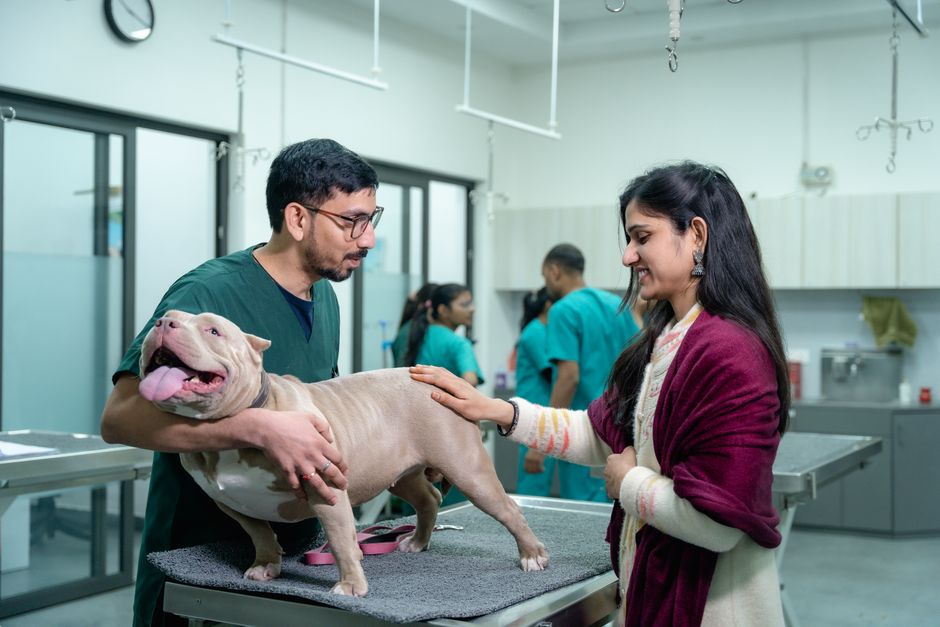
If your pet is showing signs of winter-related distress, the veterinary professionals at Symbios Animal Health are prepared to help. Treatment approaches for mild cold exposure might involve warming your pet gradually indoors, using warm (not hot) blankets, and ensuring access to fresh, unfrozen water. For cracked or irritated paws, protective balms and paw washes can soothe discomfort. In cases where a pet may have ingested ice melt or antifreeze, immediate veterinary attention is critical due to the toxicity of these substances.
Our team provides medical support for issues such as hypothermia, frostbite, and skin infections. Treatment can involve intravenous fluids, temperature regulation, and wound care, tailored to your pet’s specific needs. Year-round, our wellness care services in Chatham include nutritional counseling to adjust diets for seasonal needs, as well as weight management plans to keep your pet active and healthy through the colder months.
Many pet owners also take advantage of our boarding and day care options during winter travel. These services provide a safe environment for pets who might otherwise be left alone or exposed to cold weather hazards.
Prevention and Home Care: Practical Winter Pet Safety Tips
The best approach to cold weather pet care is prevention. For outdoor pets, ensure they have access to a warm, dry shelter that is insulated from the wind. Bedding should be changed frequently to stay dry, and food intake may need to be adjusted to compensate for extra calories burned keeping warm. Always check water bowls to prevent freezing, and consider heated options if your pet spends time outside.
For indoor pets, keep them away from space heaters and fireplaces, as burns and accidental fires are real risks. Create cozy resting areas away from drafts, and use a humidifier to combat dry air. Regular brushing helps distribute natural oils, reducing the risk of dry skin.
Paw protection is especially important. After walks, wipe your pet’s paws to remove ice, salt, and chemicals, and inspect for any cracks or redness. Booties can be helpful for dogs who tolerate them. Keep walks shorter on extremely cold days, and choose midday hours when the sun provides some warmth.
Exercise and enrichment should remain a priority, even when outdoor conditions are harsh. Indoor play, puzzle toys, and training games can keep your pet mentally and physically stimulated. If you must drive with your pet, never leave them unattended in vehicles during cold weather, as the temperature inside can drop rapidly.
Vaccinations remain essential in winter, as respiratory illnesses can still circulate. If your pet is due for their pet vaccinations in Chatham, schedule an appointment to ensure ongoing protection against preventable diseases.
When to Seek Veterinary Care: Knowing When Help is Needed
While most pets handle winter with just a few adjustments, some situations require prompt attention from your veterinary team. If your pet is shivering uncontrollably, seems disoriented, has pale or blue-tinged gums, or is unresponsive, these may be signs of severe hypothermia or frostbite. Immediate care is needed to prevent long-term damage.
Additionally, if your pet has ingested ice melt, antifreeze, or any unknown substance, contact your veterinarian right away, as these can be rapidly fatal. Persistent coughing, limping, or refusal to eat are also signals that something more serious may be occurring.
At Symbios Animal Health, our emergency veterinary care services ensure you have support for urgent situations, while our ongoing wellness care programs in Chatham provide peace of mind throughout the winter and beyond. We encourage you to reach out whenever you are unsure; early intervention is the best way to keep your pet healthy and happy.
Conclusion: Keeping Your Pet Safe All Winter Long
Winter brings unique joys and challenges for pets in Chatham and the surrounding communities. With the right cold weather pet care and a proactive approach, you can help your companion stay comfortable, active, and protected from seasonal hazards. Remember, quality veterinary services near me are always within reach at Symbios Animal Health. Our veterinary team is committed to building lasting relationships with you and your pet, providing everything from regular wellness care to emergency support.
If you have concerns about your pet’s health this winter or would like to discuss personalized winter pet safety tips, schedule an appointment with our veterinarians at 588 Main Street, Chatham, NJ 07928. You can also explore our full range of pet care resources for more information on keeping your furry family members safe year-round. Call us at (973) 834-9008 and discover why so many pet parents trust us as their vet near me for all their cold weather pet care needs.
This blog is for educational purposes only and does not replace professional veterinary advice. If your pet is experiencing a medical emergency or showing signs of distress, please contact Symbios Animal Health or your nearest veterinary clinic immediately.