

Dental Health Month: Chatham Pet Dental Care Guide

Dental Health Month: Chatham Pet Dental Care Guide
February is National Pet Dental Health Month—a perfect time to focus on an often-overlooked but crucial aspect of your pet’s well-being: dental care. At Symbios Animal Health, located at 588 Main Street, Chatham, NJ 07928, we believe that a healthy mouth means a healthier, happier pet. Many pet owners in Chatham and surrounding communities may not realize how significantly dental health can impact their furry friend’s overall condition, from their comfort at home to their long-term vitality. In this guide, we’ll help you recognize the signs of dental problems, understand why they happen, explore both professional and at-home care options, and know when it’s time to schedule a visit with our veterinary team.
When you trust your pet’s smile to our veterinary professionals, you gain access to advanced dental treatments, compassionate expertise, and a commitment to preventive care through our signature memberships. Whether your companion needs a routine check-up or advanced dental surgery, our team is here to help you every step of the way. Let’s explore how you can keep your pet’s teeth healthy—not just this February, but all year long.
Recognizing Dental Problems in Pets: Signs Every Owner Should Know
Dental disease is alarmingly common in both dogs and cats, yet it often goes unnoticed until the problem becomes severe. Being able to recognize the early warning signs can make a significant difference in your pet’s health and comfort. Classic symptoms of dental issues in pets include persistent bad breath that doesn’t improve with at-home care, visible tartar buildup along the gum line, red or bleeding gums, and difficulty eating or chewing. You may also notice your pet pawing at their mouth, drooling more than usual, or dropping food from their mouth while eating.
Other indicators can be subtler, such as refusing dry food, favoring one side when chewing, or seeming less interested in play and social interaction. In some cases, dental problems can even lead to swelling on the face or under the eyes, which may indicate an abscess or advanced infection. If you observe any of these changes, it’s important to reach out to your veterinarian for a professional assessment.
Why Dental Disease Happens: Understanding the Causes
Just like humans, pets develop dental problems when bacteria in the mouth combine with food particles to form plaque. Over time, this sticky film hardens into tartar, which irritates the gums and can lead to gingivitis—a reversible form of gum disease. Without intervention, gingivitis progresses to periodontal disease, causing the gums to pull away from the teeth, bone loss, and sometimes even tooth loss.
Certain factors can increase your pet’s risk of dental issues. Smaller dog breeds and cats are more likely to experience crowded teeth, making it easier for plaque to accumulate. Age is also a factor, as dental disease tends to worsen over the years if not addressed. Diets high in soft, sticky foods, lack of regular tooth brushing, and underlying health conditions such as diabetes can all contribute to an unhealthy mouth.
Environmental influences play a role as well. Pets who chew on hard objects like bones or antlers may be at risk for fractured teeth, while those who primarily eat wet food might not benefit from the natural cleaning action of dry kibble. Understanding these causes allows you, as a pet owner, to make informed choices and support your pet’s dental health at home and during veterinary visits.
Professional Dental Care at Symbios: What to Expect
While brushing at home is essential, some aspects of dental care require professional attention. At Symbios Animal Health, our veterinarians provide comprehensive dental evaluations as part of routine wellness care. During your visit, we examine your pet’s mouth for signs of disease, assess the health of each tooth, and discuss any concerns you’ve noticed at home.
If a dental cleaning is recommended, we perform the procedure under anesthesia to ensure your pet’s comfort and safety. This allows us to thoroughly remove all tartar above and below the gum line, where bacteria can hide and cause the most damage. Our veterinary team uses advanced techniques and equipment, including dental radiographs, to evaluate the health of tooth roots and surrounding bone—areas that cannot be seen with the naked eye.
When dental disease is more advanced, treatments may involve dental extraction of severely damaged teeth or dental repair for fractured or injured teeth. Our veterinarians are experienced in performing delicate oral surgeries with your pet’s well-being as the top priority. Every step of the process is explained to you, and we discuss the best options for pain management and recovery to ensure a smooth experience for your companion.
For routine maintenance, our professional pet dental cleanings are recommended on a regular basis, especially for pets prone to tartar buildup. These cleanings, combined with ongoing home care, are the foundation for a lifetime of oral health.
Preventing Dental Disease: Home Care Tips for Pet Owners
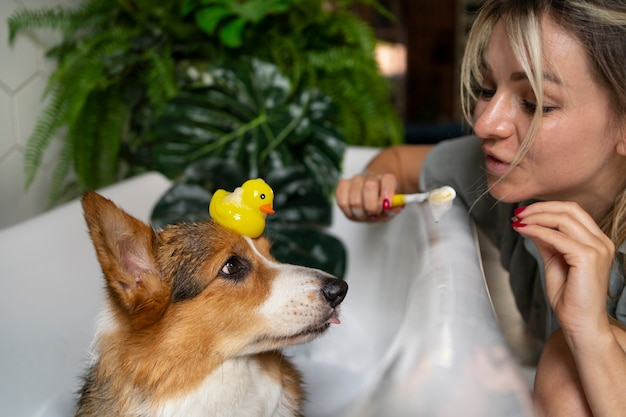
A healthy smile starts at home, and there are several effective ways you can help protect your pet’s teeth between veterinary visits. Brushing your pet’s teeth daily with a pet-safe toothpaste is the gold standard—most pets can learn to tolerate, or even enjoy, this routine with patience and positive reinforcement. Dental chews and treats designed to reduce plaque can be a helpful addition, though they should not replace brushing.
Choosing the right diet is another important factor. Foods formulated to support dental health often have a texture that helps clean teeth as your pet chews. Water additives and oral rinses, when recommended by your veterinarian, can also provide additional protection by reducing bacteria in the mouth.
It’s important to start dental care habits early in life, but it’s never too late to begin. If your pet resists brushing or shows signs of mouth pain, consult our veterinary professionals for guidance. We can demonstrate proper techniques and suggest products that fit your pet’s needs and preferences.
When to Schedule a Veterinary Dental Visit
Even with excellent home care, some dental issues require professional intervention. It’s important to schedule a veterinary appointment if you notice symptoms such as persistent bad breath, visible tartar, swollen or bleeding gums, reluctance to eat, or any changes in your pet’s behavior that could indicate mouth pain. Additionally, routine dental evaluations should be part of your pet’s annual wellness plan.
If your pet experiences sudden swelling, difficulty breathing, or severe pain, these may be signs of a dental emergency. In these cases, immediate assessment by our veterinary team is crucial to prevent complications. Our emergency veterinary care services are available for urgent dental concerns, ensuring your pet receives timely and compassionate attention.
Remember, preventive dental care is a key part of your pet’s overall health. Regular wellness care visits allow us to detect problems early and tailor a dental health plan that keeps your companion comfortable and healthy for years to come.
Keeping Your Pet’s Smile Bright: Trust Symbios for Dental Health
Dental Health Month is a great reminder that your pet’s mouth deserves year-round attention. By staying alert to the signs of dental disease, understanding the factors that contribute to oral health, and partnering with experienced veterinarians, you can help your pet enjoy a pain-free, happy life. At Symbios Animal Health, we are dedicated to providing comprehensive dental care, from preventive cleanings to advanced treatments, all in a welcoming environment at 588 Main Street, Chatham, NJ 07928.
If you’re searching for a veterinarian near me who prioritizes your pet’s dental health, look no further than our team of veterinary professionals. Whether your pet needs a dental assessment, cleaning, or specialized treatment, we invite you to schedule an appointment and discover the difference a dedicated dental care plan can make. To book your visit or learn more about our signature membership options, call (973) 834-9008 or visit our website. Together, let’s keep your pet’s smile healthy and bright all year long.
This article is intended for educational purposes only and should not be used as a substitute for professional veterinary advice. Always consult your veterinarian with any questions or concerns regarding your pet’s health.


