How to Prevent Spring Allergies in Chatham Dogs and Cats


How to Prevent Spring Allergies in Chatham Dogs and Cats
As spring unfolds in Chatham and the surrounding communities, many pet owners notice their dogs or cats beginning to itch, sneeze, or experience watery eyes. The increase in pollen, blooming plants, and rising temperatures can trigger seasonal allergies in pets, making this time of year uncomfortable for many four-legged family members. At Symbios Animal Health, conveniently located at 588 Main Street, Chatham, NJ 07928, our veterinary team understands how worrisome these symptoms can be for loving owners.
In this blog, we’ll help you recognize the signs of spring allergies in dogs and cats, explore what causes these seasonal reactions, and offer practical advice for managing symptoms at home. We’ll also discuss how our team at Symbios Animal Health delivers personalized care, including comprehensive wellness programs and prompt appointments, to help keep your pet comfortable all season long. If your pet begins to show concerning symptoms, our veterinarians are here to support you with expert advice and innovative care right here in Chatham.
Recognizing Spring Allergy Symptoms in Dogs and Cats
Spring allergies in pets can look a little different than in people. While humans often suffer from runny noses and sinus congestion, dogs and cats most commonly show their discomfort through their skin or by changes in behavior. Key symptoms include frequent scratching, licking, or chewing at their paws and body. You may notice your dog rubbing their face on the carpet or your cat excessively grooming themselves, especially after spending time outdoors. Additionally, red, irritated skin, hair loss in certain areas, and recurring ear infections can point to allergic reactions. Some pets develop watery eyes, sneezing, or even mild coughing during peak pollen season.
It’s important for pet owners to differentiate between mild, occasional symptoms and persistent discomfort. If your pet is scratching so much that their skin becomes raw or you notice open sores, a strong odor, or changes in appetite or energy, these could indicate a more serious issue that requires veterinary attention. If your pet’s symptoms seem to worsen after time outside, seasonal allergies are a likely culprit.
What Causes Spring Allergies in Chatham Pets?
Spring allergies, also known as atopic dermatitis or environmental allergies, are triggered when a pet’s immune system overreacts to substances like pollen, mold spores, grasses, and weeds. As Chatham’s landscape comes to life in April and May, trees and grasses release pollen into the air. Dogs and cats can inhale these particles, but more often, allergens settle on their skin and fur, leading to irritation and itching.
Certain breeds, such as retrievers, terriers, bulldogs, and some cats like Siamese or Devon Rex, may be more genetically prone to developing allergies. However, any dog or cat can experience these issues. Other contributing factors include spending more time outside during pleasant spring weather, tracked-in pollen from shoes and clothing, and open windows in the home. Indoor allergens such as dust mites and mold can also play a role, especially if spring brings increased rainfall and humidity.
Managing Allergies: Professional Treatment Options
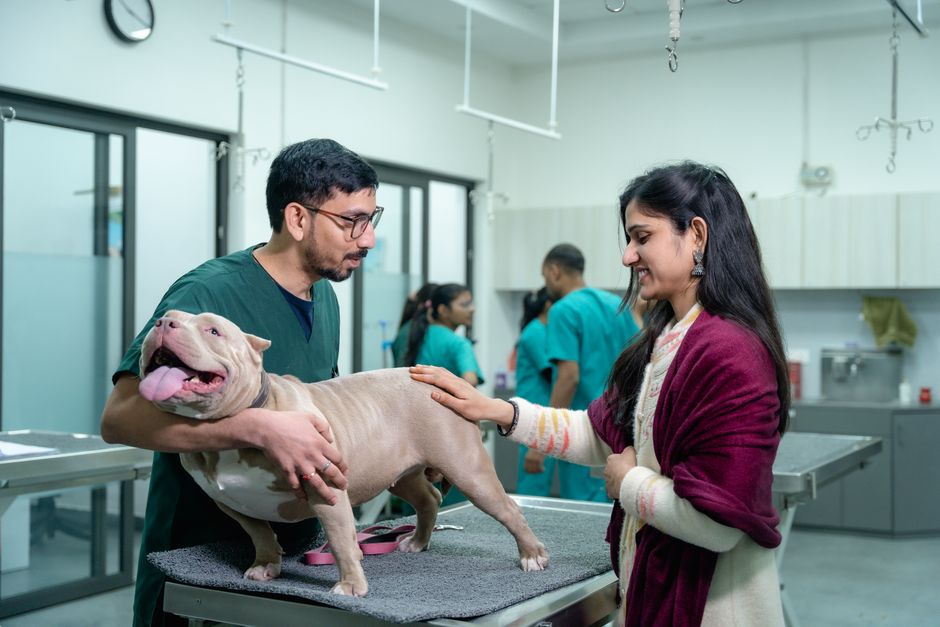
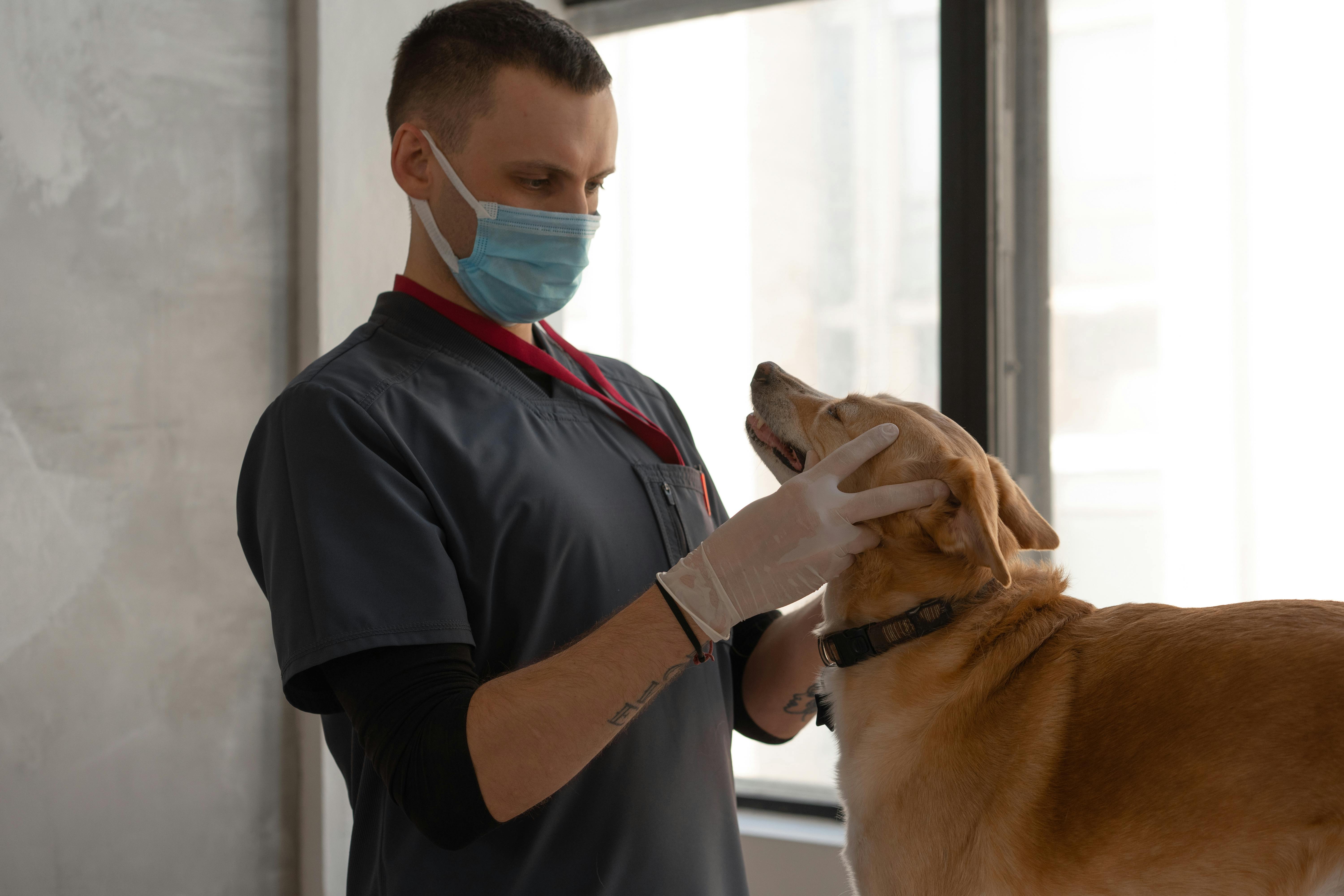
If you suspect your pet is suffering from seasonal allergies, a visit to our veterinary clinic is the best first step. At Symbios Animal Health, our veterinarians will begin with a thorough wellness examination, including a review of your pet’s medical history, lifestyle, and environment. Diagnostic tests may be recommended to rule out other causes of itching, such as fleas, mites, or skin infections.
Professional treatments for spring allergies involve several strategies. Prescription medications like antihistamines or certain anti-itch medications can help control symptoms. In some cases, your veterinarian may recommend topical therapies such as medicated shampoos or sprays to soothe inflamed skin. For pets with severe or chronic allergies, advanced treatments like immunotherapy or allergy injections may offer long-term relief by gradually desensitizing your pet’s immune system to specific allergens.
Addressing secondary problems is also important. Dogs and cats who scratch excessively can develop skin infections or ear problems, which may require antibiotics, ear medications, or additional care. Our team provides individualized treatment plans and can recommend ongoing wellness care services to keep your pet healthy through each season.
Home Care and Prevention: Keeping Your Pet Comfortable
While professional veterinary care is key for managing allergies, there are many simple steps you can take at home to minimize your pet’s exposure to spring allergens. Wiping your dog’s paws and coat with a damp cloth after outdoor walks can help remove pollen before it enters your home. Regularly bathing your pet with veterinarian-approved shampoos may also reduce allergens on their skin and fur. Keeping windows closed on high-pollen days and using air purifiers may further limit indoor allergen levels.
Frequent vacuuming and washing your pet’s bedding in hot water can decrease the pollen and dust that accumulate indoors. For cats, especially those who love window perches, consider placing screens or filters to reduce indoor pollen. If your pet enjoys time in the yard, mowing grass regularly and rinsing off after play sessions can help. Monitoring local pollen counts and limiting outdoor activity during peak times, usually early morning and late afternoon, will also reduce your pet’s allergen exposure.
In addition, maintaining your pet’s overall health—including appropriate nutrition, weight management, and up-to-date vaccinations—can support their immune system and skin health. Our pet vaccination services are available to help protect your pet against common diseases that may complicate allergy management.
When to Schedule a Veterinary Visit for Your Pet’s Allergies
While many mild allergy symptoms can be managed at home, some signs indicate the need for prompt professional evaluation. If your dog or cat develops severe itching, hair loss, red or inflamed skin, persistent ear infections, or sores that do not heal, it’s time to schedule an appointment with our veterinary team. Additionally, if your pet’s symptoms interfere with their sleep, appetite, or overall happiness, veterinary intervention can provide relief and prevent complications.
Our veterinarians at Symbios Animal Health in Chatham are experienced in diagnosing and treating allergies in both dogs and cats. Through our signature membership programs, you can access timely appointments, ongoing support, and comprehensive preventive care tailored to your pet’s unique needs. If you’re ever unsure about a symptom or if home care is not helping, we encourage you to reach out. Sometimes, underlying conditions like food allergies or other skin diseases may mimic seasonal allergies, and our team can help you find answers and effective solutions.
Supporting Your Pet’s Wellbeing All Spring Long
Spring in Chatham is a beautiful time, but it can be challenging for pets sensitive to pollen and environmental allergens. By recognizing early signs of allergies, understanding what causes these reactions, and following practical home care strategies, you can make a real difference in your pet’s comfort. Remember, professional guidance from a veterinary team is invaluable when symptoms escalate or do not improve with basic care.
If you are searching for a trusted vet near me, Symbios Animal Health is here to help your dog or cat thrive through every season. Our veterinarians welcome you to schedule an appointment at our Chatham location and experience the personalized, concierge-style care that sets us apart. For questions or to book a visit, call us at (973) 834-9008. Together, we can keep your pet happy, healthy, and itch-free all spring long.
If you have concerns about your pet’s health, please consult with a veterinarian. This blog is intended for informational purposes and does not replace professional veterinary advice or diagnosis.