Spring Shedding Solutions for Chatham Pets

Spring Shedding Solutions for Chatham Pets
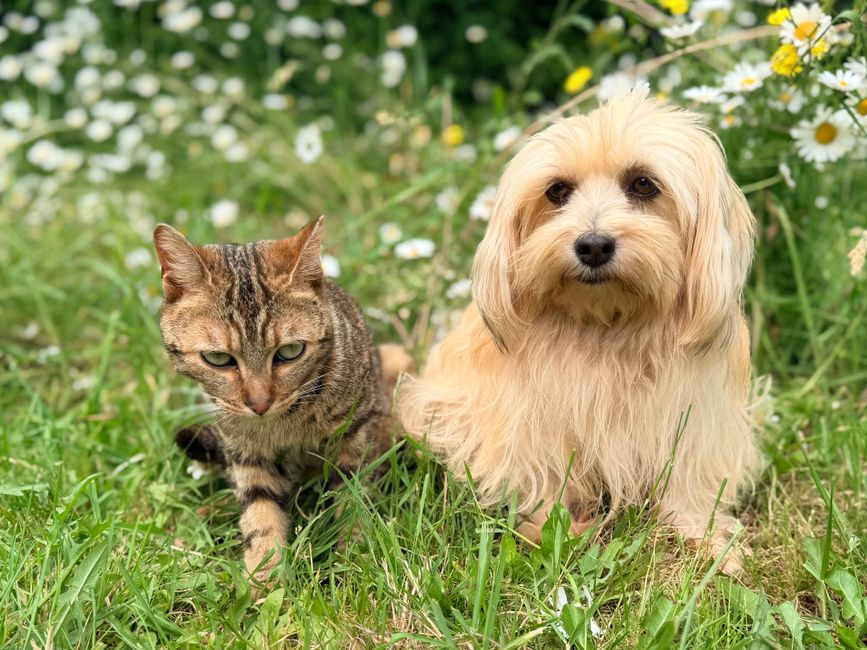
Spring in Chatham, NJ brings new life, fresh breezes, and—for many pet owners—a sudden explosion of fur. As the days grow longer and the temperatures slowly rise after a chilly winter, both dogs and cats begin to shed their heavier coats. If you find yourself constantly vacuuming and noticing tufts of hair around your home, you are not alone. Shedding is a natural seasonal process, but it can be managed with the right knowledge and care.
At Symbios Animal Health, located at 588 Main Street, Chatham, NJ 07928, our veterinary professionals understand how frustrating spring shedding can be for both you and your pet. This guide will help you understand why pets shed more in the spring, recognize when shedding might signal a health issue, and discover practical solutions to control fur, reduce allergies, and keep your pet comfortable. We will also explain how our signature concierge wellness care supports a healthy coat all season long. If you are searching for a trusted vet near me, our team is here to help you and your furry family members enjoy a cleaner, healthier spring.
Recognizing Problematic Shedding: When Is It More Than Just Spring?
It is normal for your pet to shed more during springtime, but not all hair loss is created equal. Understanding the difference between seasonal shedding and potential medical concerns is crucial for your pet’s well-being.
Typical spring shedding involves a gradual increase in loose fur as your dog or cat transitions from their winter coat to a lighter summer one. You might notice more hair on furniture, clothing, and bedding, and your pet may spend extra time grooming or scratching. However, warning signs that suggest a problem include bald patches, red or inflamed skin, persistent scratching or licking, sores, or a sudden change in the texture or amount of fur loss. Additionally, if your pet seems uncomfortable, is developing hot spots, or you notice a musty odor, it could indicate an underlying skin or health issue.
For example, while it is common to find clumps of your Labrador’s undercoat on the carpet in April, it is not normal to see circular bald spots or excessively oily skin. Similarly, if your indoor cat is grooming to the point of thinning hair on her belly, there may be a behavioral or medical cause that needs attention. Recognizing these differences helps you know when to seek advice from your veterinary team.
Why Do Pets Shed More in Chatham’s Spring?
Shedding is a natural cycle for most pets, especially those with double coats. The process is influenced by daylight, temperature, and your pet’s breed. As spring arrives in Chatham and the days become longer, a pet’s body responds to changes in light and warmth by shedding the dense undercoat grown for winter insulation. This makes way for a lighter coat that is more comfortable in warmer weather.
Breeds like Huskies, Golden Retrievers, and Maine Coons are notorious for their spring “blowout,” during which large amounts of fur come loose in a short time. Short-haired pets also shed, but the process is often less dramatic. Factors that influence shedding include genetics, overall health, nutrition, and exposure to indoor heating during the winter months, which can confuse a pet’s natural shedding rhythm.
Environmental allergens that become more prevalent in spring—such as pollen and mold—can also contribute to increased shedding if your pet develops itchy skin or allergies. Poor diet, dehydration, stress, and certain medical conditions, including hormone imbalances or parasites, can exacerbate hair loss. Understanding the cause of increased shedding helps you and your veterinarian determine the best solutions for your pet.
Professional Solutions and Veterinary Support for Shedding
Managing seasonal shedding is much easier with the support of a proactive veterinary team. At Symbios Animal Health, our comprehensive approach to pet care helps keep your pet’s coat healthy and your home cleaner.
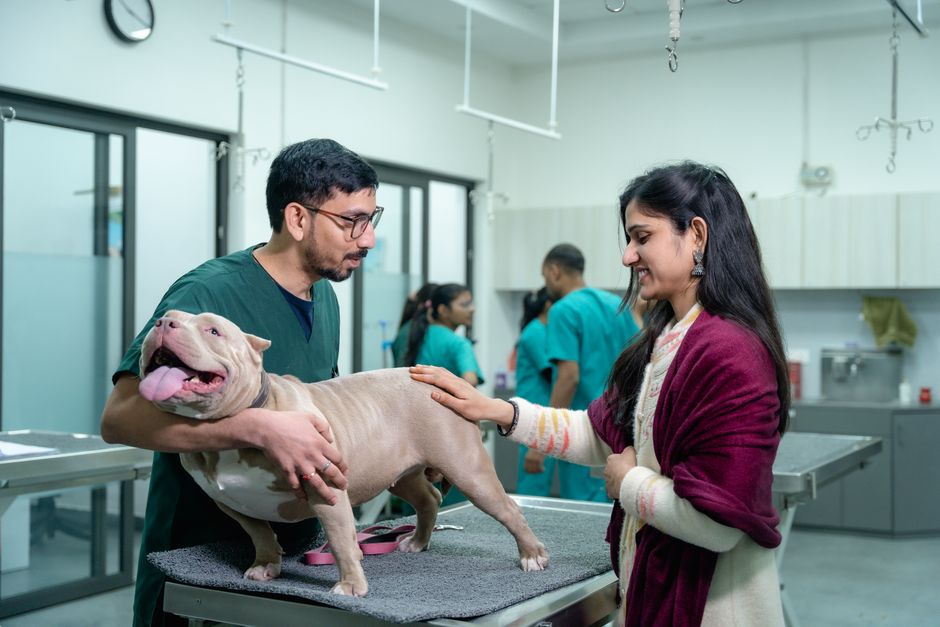
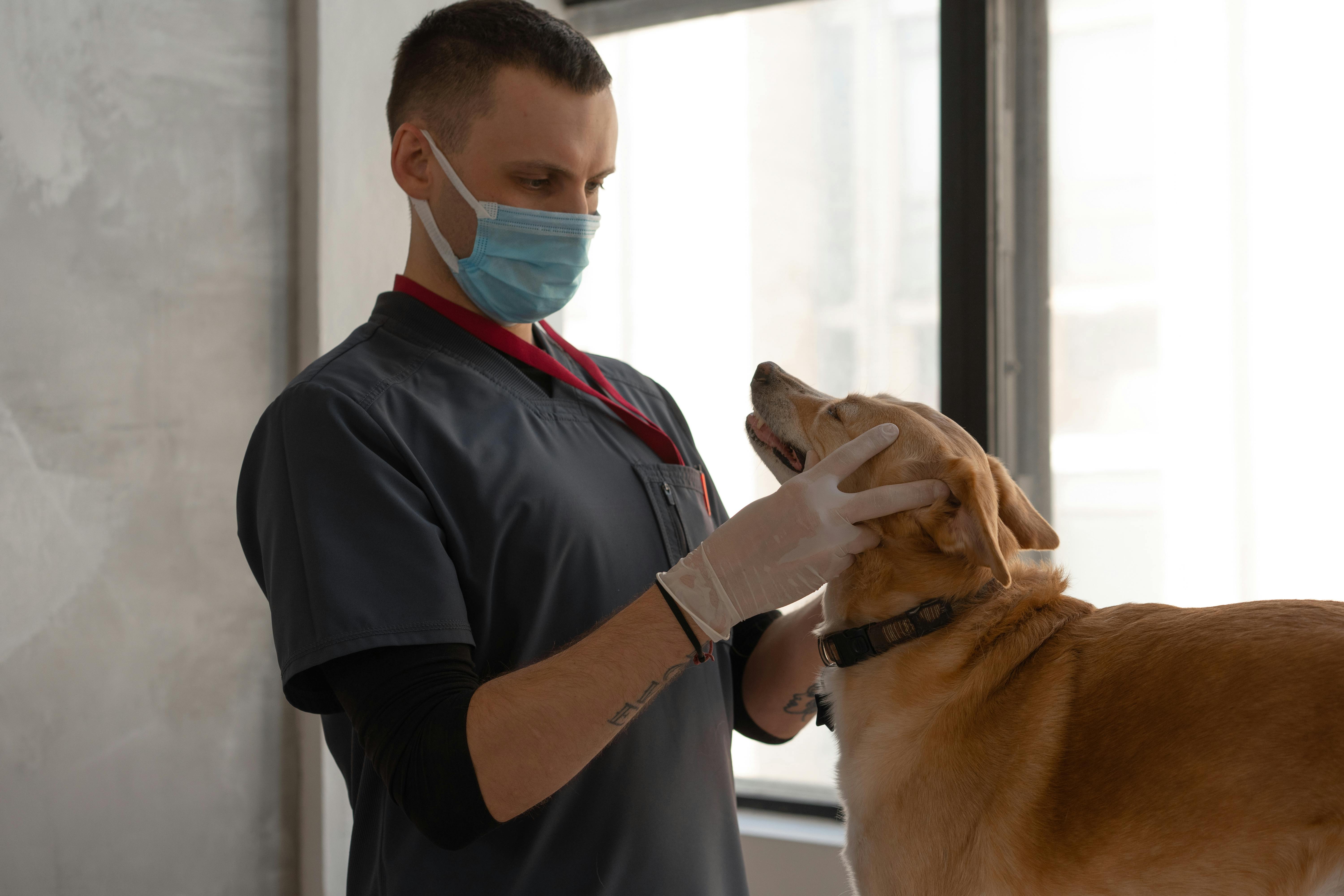
During a wellness examination, our veterinarians assess your pet’s skin and coat condition, looking for signs of underlying issues such as allergies, parasites, or nutritional deficiencies. If your pet’s shedding seems excessive or abnormal, diagnostic tests and a thorough medical history can help pinpoint causes like thyroid disease, skin infections, or behavioral problems. Treatment approaches involve addressing the root cause, whether that means recommending a specialized diet, providing allergy relief, or prescribing medications for skin conditions.
We also offer guidance on wellness care services that include regular checkups, parasite prevention, and tailored nutrition plans. For pets with behavioral-related overgrooming or anxiety-driven hair loss, our pet behavior consultation services can provide solutions that improve both coat condition and quality of life.
If your pet’s shedding leads to skin infections, wounds, or severe discomfort, additional treatments such as medicated baths, topical therapies, or internal medicine evaluations may be necessary. Our veterinary professionals are equipped to manage a wide range of skin and coat problems, always aiming for your pet’s comfort and your peace of mind.
Home Care Tips: Keeping Fur Under Control and Pets Comfortable
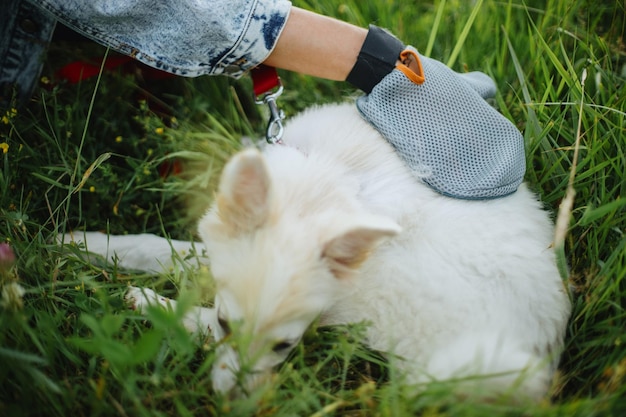
While professional veterinary care is essential for managing abnormal shedding, there is much you can do at home to keep fur and dander under control. Regular brushing is the most effective way to remove loose hair, prevent mats, and distribute natural oils that keep your pet’s skin healthy. For double-coated breeds, consider using an undercoat rake or deshedding tool several times a week during peak shedding season. Short-haired pets benefit from gentle rubber brushes or grooming gloves that lift loose fur and stimulate the skin.
Bathing your pet with a veterinarian-approved shampoo every few weeks can help loosen dead hair and soothe itchy skin. Be cautious not to bathe too frequently, as this can strip away protective oils and cause dryness. Nutrition also plays a vital role; feeding a balanced diet rich in omega fatty acids supports a glossy, resilient coat. Ensure your pet has access to fresh water at all times, as hydration is key to skin health.
Maintaining a regular cleaning routine in your home reduces allergens and keeps shedding manageable. Vacuuming frequently, using washable pet bedding, and changing air filters can all help. For allergy-sensitive households, consider using air purifiers and grooming your pet outdoors when weather allows.
If your pet is anxious about grooming or resists brushing, take it slow and reward calm behavior. Some pets may require professional grooming during heavy shedding periods, especially if matting or discomfort develops.
When to Call the Veterinarian: Signs Shedding Needs Medical Attention
Spring shedding should not cause distress for you or your pet. However, certain signs signal the need for prompt veterinary attention. Seek help if your pet develops bald patches, persistent redness or sores, ongoing scratching or licking, changes in appetite or behavior, or any sign of pain. Unusual odors, thick crusts, or the presence of fleas or ticks also warrant a veterinary visit.
If you are unsure whether your pet’s shedding is normal, err on the side of caution and schedule an appointment with our veterinarians. Early intervention can prevent minor skin issues from becoming major health problems. For pets with chronic skin conditions, allergies, or complex medical histories, our internal medicine services provide advanced diagnostics and targeted care plans to address even the most challenging cases.
Remember, professional guidance ensures your pet’s skin and coat remain healthy, comfortable, and beautiful all year long.
Concierge Wellness Care: How Symbios Keeps Chatham Pets Looking and Feeling Their Best
At Symbios Animal Health, we believe that regular preventive care is the foundation of a healthy coat and a happy pet. Our exclusive, all-inclusive membership model provides Chatham pet owners with access to wellness services, urgent care, and specialty consultations for less than $15 per month. This concierge approach allows you to schedule appointments at your convenience and ensures your pet receives proactive care before minor issues become major concerns.
During wellness visits, our veterinary professionals check for early signs of skin or coat problems, recommend grooming routines tailored to your pet’s breed and lifestyle, and provide nutritional counseling to support skin health. For pets with special needs or chronic conditions, our team designs individualized plans that may include alternative medicine, behavioral support, or advanced internal medicine. Whether your pet needs routine exams, a fresh look for spring, or help managing allergies, we are here to partner with you every step of the way.
Ready for a Fur-Free Spring? Contact Symbios Animal Health Today
Spring shedding is a natural part of life for pets in Chatham and surrounding communities, but it does not have to overwhelm your home or your pet’s comfort. By recognizing normal versus abnormal shedding, practicing effective grooming at home, and partnering with your trusted veterinary team, you can keep your pet looking and feeling their best all season.
If you are searching for a reliable vet near me to help manage spring shedding, the veterinary professionals at Symbios Animal Health are here for you. Schedule an appointment today by calling (973) 834-9008 or visiting us at 588 Main Street, Chatham, NJ 07928. Let our team support your pet’s health and your peace of mind this spring and beyond.
For informational purposes only. Always consult your veterinarian for specific medical concerns or before making changes to your pet’s routine. For more information about pet shedding and coat health, visit resources such as the American Veterinary Medical Association [https://www.avma.org/resources-tools/pet-owners/petcare/shedding] or speak with our team during your next visit.